 Ironstone
To build relationships with local businesses, become a familiar local face before you sell anything. Pick one street or business type you see every week. Be a customer, learn each business, and make the first visit about them. Give something useful first, like a corrected listing detail or a finished website. Follow up once, log every contact, and show up where owners gather. After the yes, keep every promise and ask happy clients who they know. This guide walks through each step, with screens from our app.
Key facts
- Ironstone's own records show that between October 8 and November 6, 2026, 8 partners looked up 30 local businesses by name in Lead finder, our business lookup tool, 17 times in all, with Ironstone's own accounts left out. 4
- The US had 5.9 million employer firms in 2023, according to the Census Bureau's 2024 Annual Business Survey. 5
- Of the US private sector establishments that opened in the year ended March 2024, 77.7% were still open in March 2025, per the Bureau of Labor Statistics. 6
What does it mean to build relationships with local businesses?
Building a relationship with a local business means becoming the local person the owner knows by name, trusts with their listing and website, and calls when something needs to change. You get there in small steps. You buy from them. You help before you ask. You keep every promise. The website sale comes after the trust, not before it.
Here's the honest part. Owners hear from strangers offering websites and listings by email and by phone, and they delete those messages. What they answer is a face they've seen, a name a neighbor mentioned, or someone who already helped them once. This is slower than sending a hundred emails. It also lasts a lot longer.
Think of the café owner who starts your usual order as soon as you walk in. That's the relationship you want with every owner on your list. They see you often, they know what you do, and they say hello first. Where it makes sense, be a customer of the businesses you hope to work with. It's the shortest road to a hello.

Why do relationships matter more than pitches with local owners?
Owners trust people they know over any pitch, owners without a website already get their customers by word of mouth, and a call from a stranger usually goes unanswered. So become someone the owner knows before you show them a website. Three figures below show why: Nielsen's trust survey as Fortune reported it, Clutch's survey of small business owners, and Pew Research Center's survey on calls from unknown numbers.
In Nielsen's 2021 survey, as Fortune reported it on May 5, 2023, 88% of respondents said they trust recommendations from friends over all other promotion channels. An owner listens to someone they know more than to any ad or pitch, so become known before you pitch. 7
Clutch's survey of 406 US small business owners on August 5, 2025 found that 40% of small businesses without a website rely on referrals as their main source of leads. The owners you sell to already live on word of mouth, so an introduction from someone they know reaches them first. 8
Pew Research Center's survey of 10,211 US adults, July 13 to 19, 2020, found that 19% of US adults say they answer their cellphone when an unknown number calls. A cold call to an owner who doesn't know you usually goes unanswered, so call once they know your name. 9
In 2022, the US Census Bureau counted 29.8 million US businesses with no paid employees and 8.3 million with paid employees. So the one who decides is often the person behind the counter. There's no office to get past. The relationship is with one owner. Picture the owner of Oatmere Bakery, a fictional shop. A stranger's email about websites lands between flour orders and gets skipped. A regular who buys rolls every Saturday mentions her hours online are wrong, and she's more likely to listen, because she already knows him. 1
Between October 8 and November 17, 2026, Lead finder showed 6 partners 56 local businesses with a gap an owner can see, 28 of them with no website it could find (our own searches left out). A gap shows where an owner could use help, not when they'll want it. So a relationship has to serve owners with a gap now and owners who may need help later: fix what's broken for the first, and keep stopping by for the second. 4
Where can you get in touch with local business owners?
You can get in touch at their counter as a customer, by phone at a quiet hour, by email or text to the contact on their listing, at local business association meetings and town events, and through an introduction from a client. The table shows when each one works and what to bring.
| Where | When it works | What to bring or say |
|---|---|---|
| At their counter, as a customer | A quiet hour midweek, never the lunch or after-school rush | Buy something, give your full name, ask one question about their customers |
| A phone call | Mid-morning or mid-afternoon, when the phone is quiet | Ask who handles the listing and website, and say why you called |
| An email to the address on their listing | After a first visit or call, never before | One business, one message, their link, your mailing address and an opt-out line |
| A text to a line that takes texts | When the owner gave you the number or invites texts | Your full name, business, phone, address, purpose, then Reply STOP to opt out |
| Local business association meetings and town events | Every meeting, not once; owners notice who comes back | A ten-second introduction that names no product, and a card with your phone |
| An introduction from a client | The weeks after the client's website goes live | The client's name in your first line and a link to their website |
The order matters. Meet in person or by phone first, then send a message, never the other way around. An email from a stranger is easy to delete. An email from the person who bought bread at the counter yesterday gets read. Before you reach out to anyone, have these five things ready.
- A business name owners can find when they search, printed on your card
- A card with your full name, phone number and email address
- A mailing address to put in every email you send to an owner
- One finished example website open on your phone, ready to show
- A sheet to log every owner you meet, filled in the same day
How do you build relationships with local businesses in 9 steps?
The nine steps below move an owner up a ladder of trust: stranger, then familiar face, then helper, then client, then someone who introduces you. In short, you get known, you help with something small, you offer the website, and you earn introductions. Each step covers why it matters, a twist, a way to do it by hand, our app where it helps and a checklist. For the sale itself, see our guide to selling AI websites to local businesses.
| Stage | What the owner knows about you | Your next move |
|---|---|---|
| Stranger | Nothing yet, or one message they deleted | Buy something or call at a quiet hour, and give your full name |
| Familiar face | Your name, and that you live or work nearby | Point out one thing their customers can't find or get wrong online |
| Helper | You flagged a wrong detail and asked for nothing back | Show a finished website built from their own details, on their phone |
| Client | You made their website and answer when they ask for changes | Make each change the same day, and call after a week and a month |
| Referrer | You look after them well and send customers their way | Ask who else they know, with a message ready for them to forward |
1. Which street or business type can you see every week?
Pick one street, neighborhood or business type close enough that you pass the same owners every week. Relationships come from repeated small contacts. One visit to forty businesses across town builds none. Seeing the same owners again and again builds something real. An owner who sees you a third time starts to say hello first. That's when the relationship starts to move.
Here's the twist: start where you already go. Think of your own barber, the café on your commute or the auto shop that services your car. You're already a customer there, so the first rung of the ladder is done. An owner who has served you is more likely to listen than one who has never seen you.
To do it by hand, open Google Maps and search your street, or your business type and town. Open each listing and tap Save to add it to one saved list. Then open Google Calendar and add a weekly repeating event for that street, on the same day and at the same hour. Owners start to see you at a regular time, and a regular is easier to trust.
As the SBA's guide to licenses and permits says, the requirements and fees vary with your business activities, your location and the government's rules. A business name that isn't your own may need registering as a DBA with the state, county or city. A DBA is also called a trade name or assumed name. Before you print a card with a business name, check the SBA's guide to registering a business and your state, county and city pages. 3
- You pass these businesses at least once a week
- You're already a customer of one or two
- The whole list fits on one phone screen
- A weekly block for the street is in your calendar
- Your card shows a name owners can look up
You'll know it worked when you can name your street or type in one sentence, you have a saved list of real businesses, and next week's visit is already in your calendar.
Tip
Go at the same hour each week. Owners remember a regular, not a visitor.
2. What do you learn about a business before you say a word?
Before you say a word, learn who owns the business, when it's quiet, what customers praise and complain about, and what's wrong or missing online. Ten minutes of reading turns a pitch into a conversation about their business. You'll ask better questions and you won't waste their time. An owner can tell in one sentence whether you looked, and they treat you differently once they know you did.
By hand, open the listing in Google Maps. Check the hours, the Website button and the Reviews tab sorted by Newest. Owner replies show their name and tone. If they have a site, paste its address into the Wayback Machine and read the calendar view to see how long it has looked the same. Then run the site through PageSpeed Insights and open the mobile report.
Lead finder, the business lookup in our app, searches a business type in a town and labels each business by what it found: No website found, Social listing only, Website won't open, Outdated website or Delivery page only. Under each label is a line you can say to the owner, in plain words, so you start from their problem and not your product.
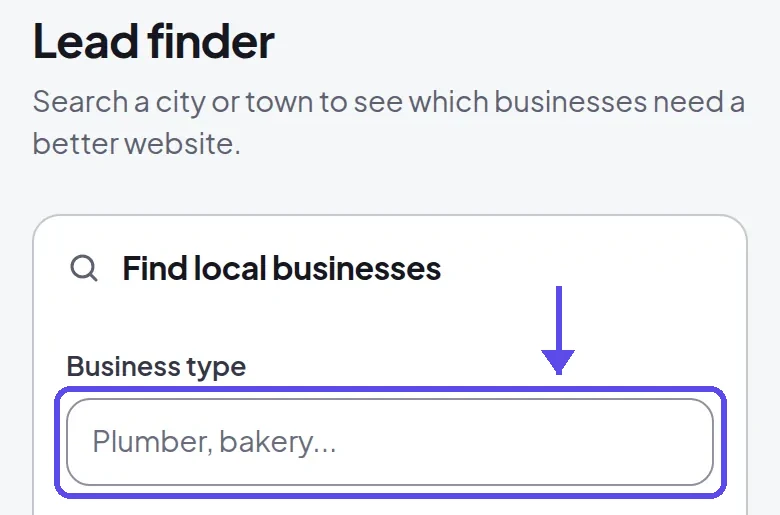
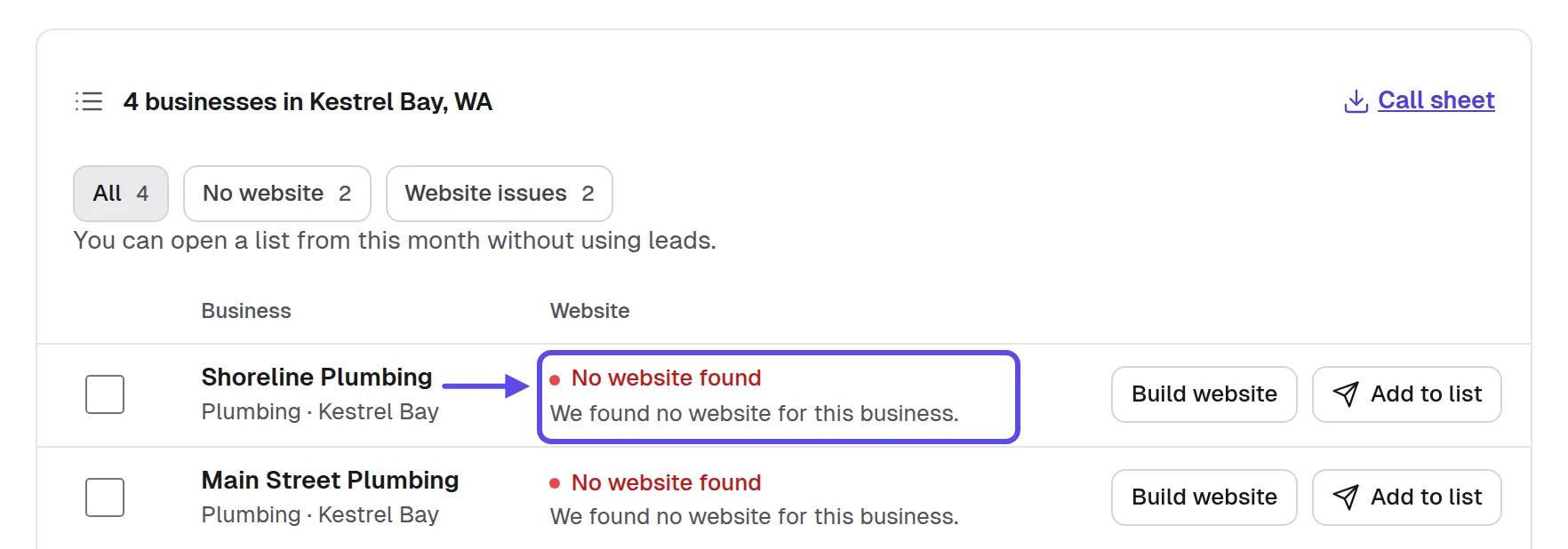
The twist is in the owner's own words. From their review replies or their business description, write down one thing they're proud of, like Insley Plumbing's night calls or Oatmere Bakery's holiday orders (both fictional). Mention it before anything else when you meet. Owners remember the person who noticed what they care about, long after they forget a pitch.
- The owner's first name, if the listing shows it
- The quiet hours, from the listing and a visit
- The newest reviews and how the owner replies
- One thing the owner is proud of
- One gap customers hit when they look online
You'll know it worked when, for each business on your list, you can say the owner's name, their quiet hour, one thing they're proud of and one gap, without opening your phone.
Tip
Read the owner's replies to bad reviews first. They show how the owner talks and what upsets them.
3. How do you make the first visit about them?
Make the first visit about them: walk in as a customer at a quiet hour, give your full name, ask one question about their customers, and leave without a pitch. If they ask what you do, tell them in a sentence. Otherwise, save it. The first visit only has to make you a familiar face. Owners relax when a visitor wants nothing from them today, and that's what they'll remember.
Picture a salon mid-morning on a weekday. The chairs are empty and the owner has a minute to talk. At the Saturday rush, nobody does. So book a cut or buy a product, sit in the chair, and let the conversation come from the owner. You're there as a customer first, and that's how they'll see you.
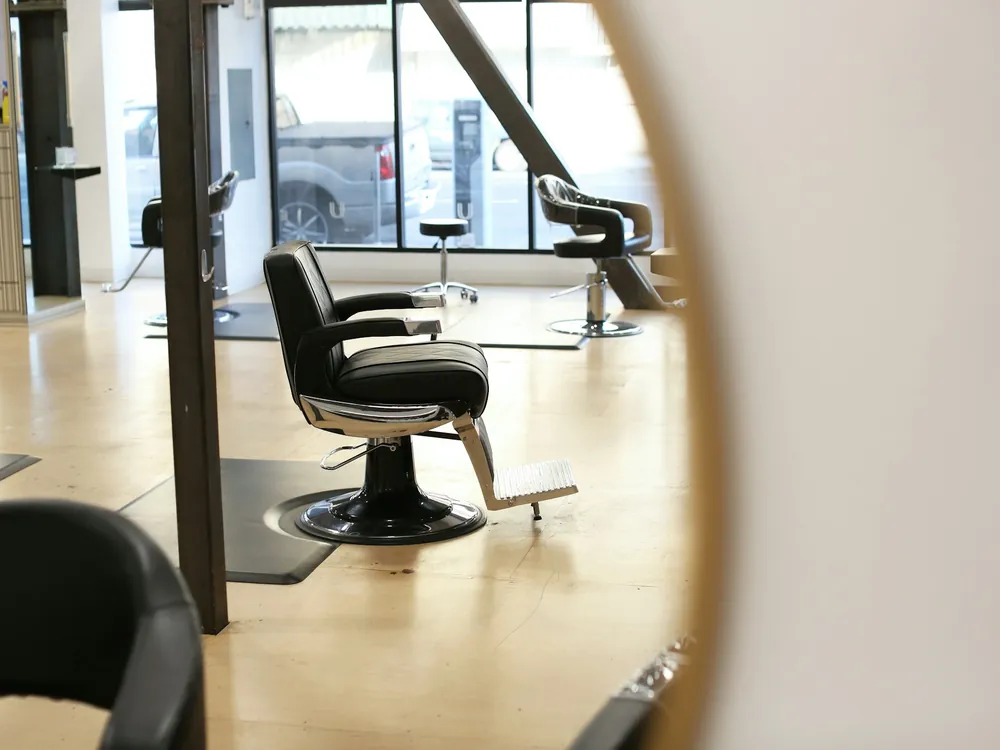
The question that opens a real conversation is about their customers, never their website. Try this one: ask what people ask them on the phone more than anything. The answer tells you what customers can't find online and what a website should show first. Write it down after you leave, in the owner's own words.
The first visit
Hi, I'm [Your full name]. I live nearby, and I'd like to book a cut if you have a chair open.
I'm curious what customers ask you about on the phone more than anything else.
I make websites for local businesses on this street. Here's my card, and thanks for fitting me in.
Carry cards with your full name, business name and phone. Before you drive away, add three notes to your sheet in Google Sheets: who you met, what they said and what you promised. Those notes are what you'll open before the next visit. When you go back to show a finished website, our walk-in plan covers that visit step by step.
- Buy something or book a service first
- Give your full name and business name
- Ask one question about their customers
- Leave a card, never a brochure
- Write three notes before you drive away
You'll know it worked when the owner used your name, told you something about their customers you couldn't have read online, and you walked out the door without asking for anything.
Tip
Say your name twice, once at hello and once at goodbye. Owners remember the second time.
4. What useful thing can you give before you ask?
Give a corrected listing detail, an honest look at what customers see on a phone, or a finished website built from the business's own details. A useful thing shows you understand their business. A pitch only shows that you want something. Start with the smallest one. It takes the owner a minute to hear, and it tells them what kind of person you are.
By hand, compare the hours and phone number on the listing with what you saw at the counter. If something is wrong, tell the owner and show them where to fix it: in their Google Business Profile, they open Edit profile, then the hours or contact section. They fix it themselves. You only pointed, and that's the point. You helped without touching anything that's theirs.
When you're ready for the bigger thing, a build in our app brings in the business's public listing and its current website, so the site uses real hours, services and photos. When it's done, the website is marked Ready to send. On our live service, we ran 18 builds between October 21 and November 3, 2026. Of those, 16 finished in under three minutes, and the slowest took about nine and a half.
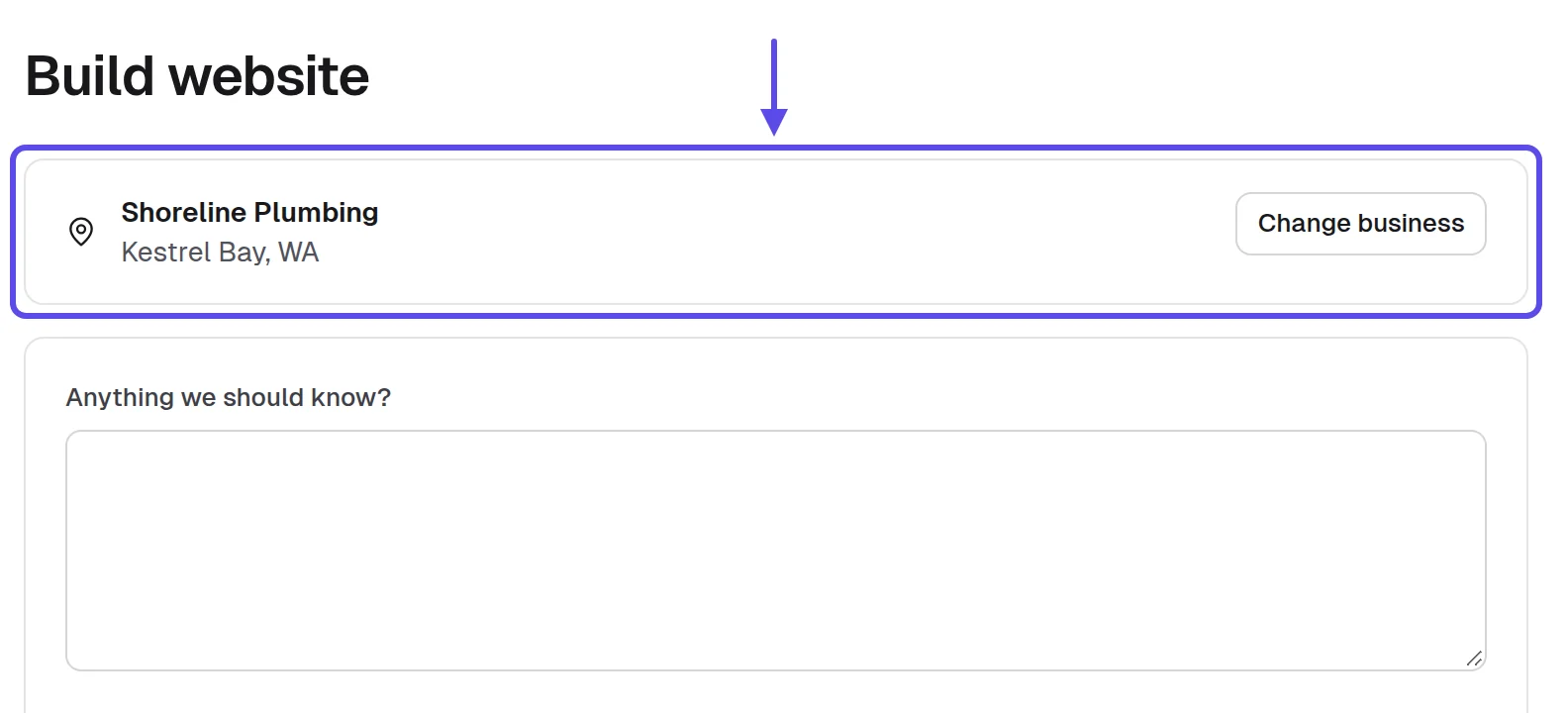
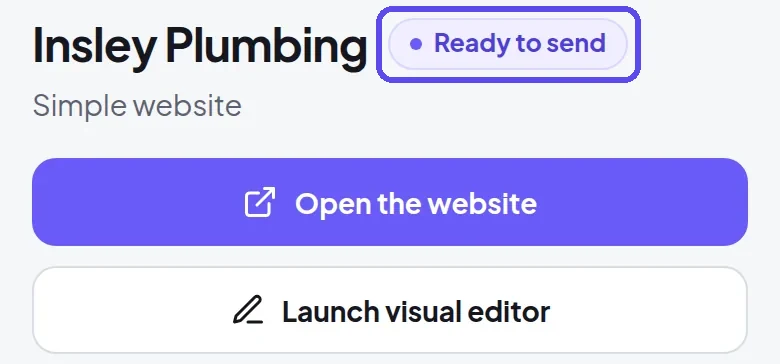
The twist is order. Give the small thing first and the website second. An owner who fixed their hours because of you opens your next message. A finished website handed to a stranger feels like a sale. Handed to someone who already helped, it feels like more help. That's a different conversation.
A listing heads-up
Subject: The hours shown on [Business name]'s listing
Hi [Owner name],
I'm [Your full name] from [Your business name]. I was in on [day] and noticed the listing for [Business name] shows [the wrong detail].
You can fix it in your business profile under Edit profile, and it only takes a few minutes.
I also built a website for [Business name] from its own details, [Website link]. If you want it, I can put it live and look after it every month, and there's no need to reply about it.
If you'd rather not hear from me, reply "no thanks" and I won't write again.
[Your full name], [Your business name], [your mailing address]
- Point out one wrong or missing listing detail
- Show where they can fix it themselves
- Build only from the business's own details
- Check every fact before the owner sees it
- Ask for nothing in the same message
You'll know it worked when the owner fixed the detail or thanked you. Later, when you mention the website, they ask to see it instead of asking what it costs.
Tip
Never invent a review, an award or a year in business. One made-up fact ends the trust you built.
5. How do you follow up without becoming a pest?
The rule is short: follow up once, on the day you said you would, in the channel the owner chose, with one short message and their link. After that, wait for the owner or for a real reason to write, like a wrong detail you spotted. One reminder is normal. A string of them ends the relationship, often before it starts.
Our app writes a first message in your name and lets you send it by email or text, or print a flyer. Every email carries an opt-out line. Follow-ups stop when the business replies, so nobody gets a reminder after they've answered. That keeps you on the owner's good side, which is where relationships grow.
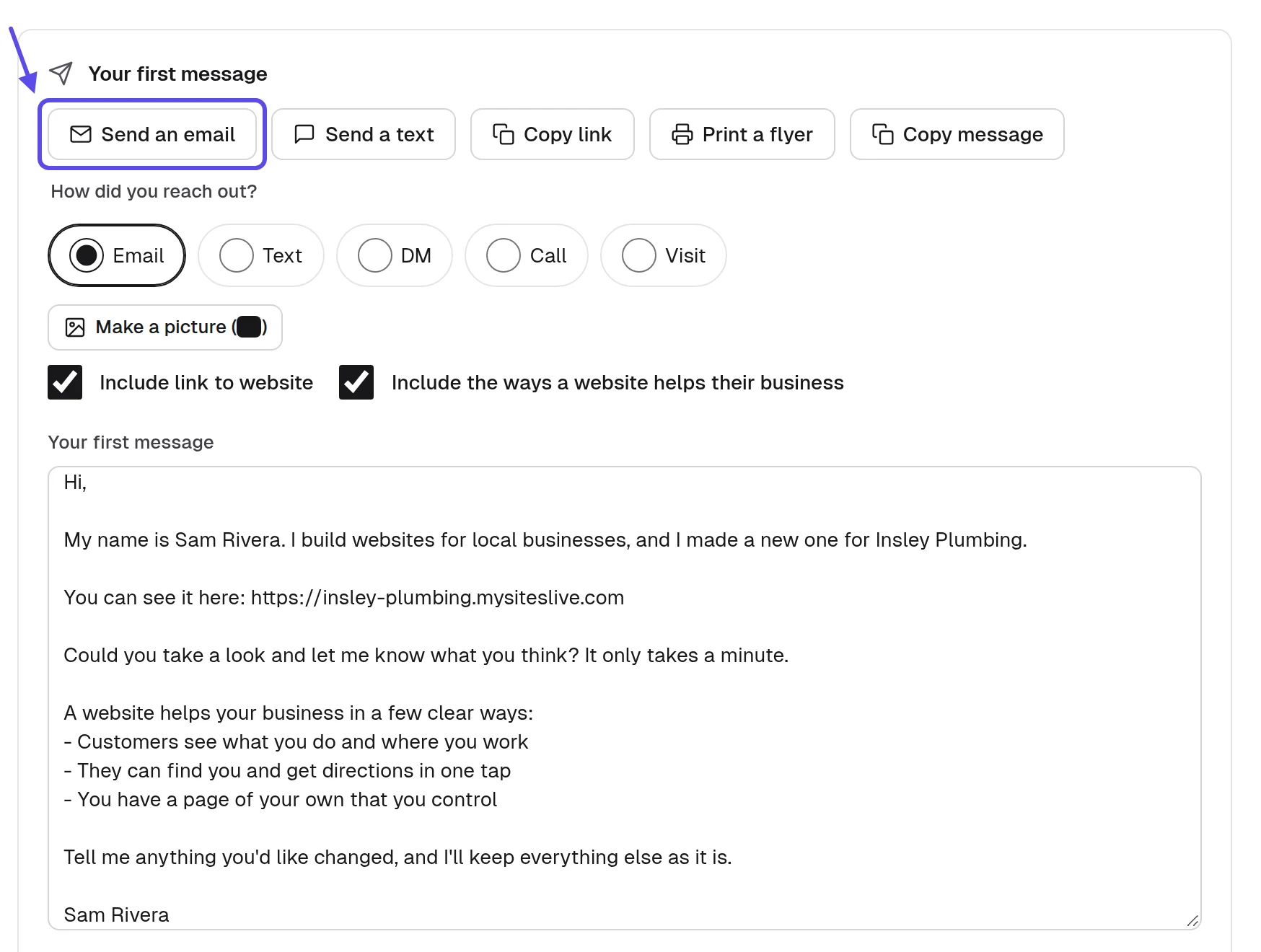
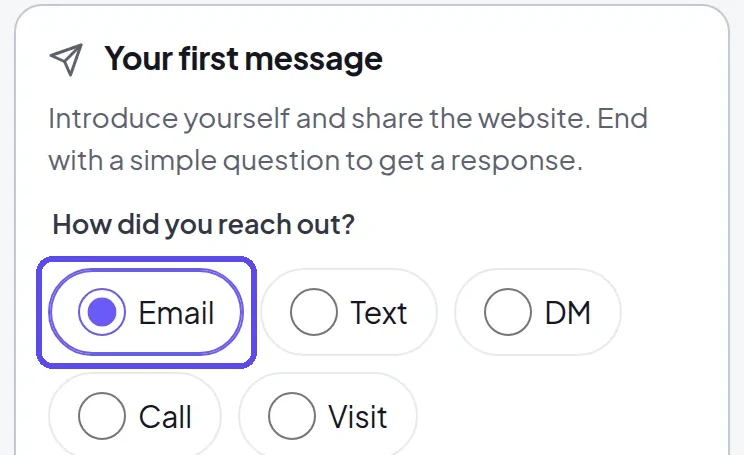
In the United States, the FTC's compliance guide to the CAN-SPAM Act says a commercial email must include your valid physical postal address and a clear way to opt out, and opt-out requests must be honored within 10 business days. Other countries have their own rules. 2
By hand, open Gmail and put each business under its own label, so the whole conversation sits in one place. The moment you send, add a Google Calendar event on the follow-up day with the business name and one line from your conversation. When the event comes up, send one message and log it. Then let it rest.
Here's the twist: refer back to the conversation, not the website. Write something like "you mentioned the holiday orders." That one sentence shows you listened, and it turns a reminder into a continuation. If you can't name something the owner said, you're not ready to follow up. Visit again first, then write.
Email after a visit
Subject: The [Business name] website from my visit
Hi [Owner name],
I'm [Your full name] from [Your business name]. Thanks for the chat on [day] about [what the owner said about their customers].
Here's the website I built for [Business name] from its own details, [Website link]. If you want it, I can put it live and look after it every month.
If you'd rather not, reply "no thanks" and you won't hear from me again.
[Your full name], [Your business name], [your mailing address]
Text after a visit
Hi [Owner name], this is [Your full name] from [Your business name], [your phone number], [your address]. We spoke at [Business name] on [day]. Here's the website built from your details, [Website link], and I can put it live for you if you'd like it. Reply STOP to opt out.
The one follow-up
Subject: Re: the website for [Business name]
You mentioned [one thing the owner said]. The website for [Business name] shows it on the first screen, [Website link]. I'm glad to change anything you'd want different.
Reply "no thanks" and this is the last message.
[Your full name], [Your business name], [your mailing address]
- One follow-up, on the day you promised
- The channel the owner chose, not yours
- One line from your conversation in it
- Your mailing address and an opt-out in emails
- Stop the moment they say no thanks
You'll know it worked when owners answer your follow-up, even with a not yet, and nobody asks you to stop. A reply that mentions your earlier conversation is the best sign you'll get.
Tip
Write the follow-up date down while you're still with the owner. A promise kept on time builds more trust than a clever message.
6. How do you remember every owner you've met?
Keep a contact log with one row per business: the last contact, what the owner cares about, and the next step with a date. Memory holds the first few owners and then starts mixing them up. An owner notices when you remember the oven they replaced last month. They also notice when you forget their name.
| Business | Last contact | What they care about | Next step and when |
|---|---|---|---|
| Insley Plumbing (fictional) | Visited the counter on Tuesday and met the owner | Night emergency calls; the listing shows no Website button | Email the website link by Thursday morning |
| Shoreline Plumbing (fictional) | Phone call, spoke to the office manager | The owner decides and is back from jobs late afternoon | Call the owner late afternoon next Tuesday |
| Oatmere Bakery (fictional) | Bought bread and talked about holiday orders | The holiday order line; Sunday hours wrong on the listing | Send the listing heads-up this week |
| Harbor Light Diner (fictional) | Client; asked for a holiday closing notice | The breakfast rush and the regulars who ask about hours | Make the change today, call after a month |
| Ridgeway Auto Repair (fictional) | Showed the website; owner said not this season | Too busy until the spring rush ends | One check-in message after the spring rush |
In Google Sheets, make the four columns above plus a stage column. Every Monday, sort by the next-step date and work from the top. Write what the owner cares about in their own words, never yours. The log is your memory, so update it the same day as every contact, even when it's a short one.
In the app, the Pipeline keeps every business you're talking to by stage, from New to Won and Lost. You move a business when something changes. That way you can see at a glance who needs the next step this week, without scrolling through old emails.
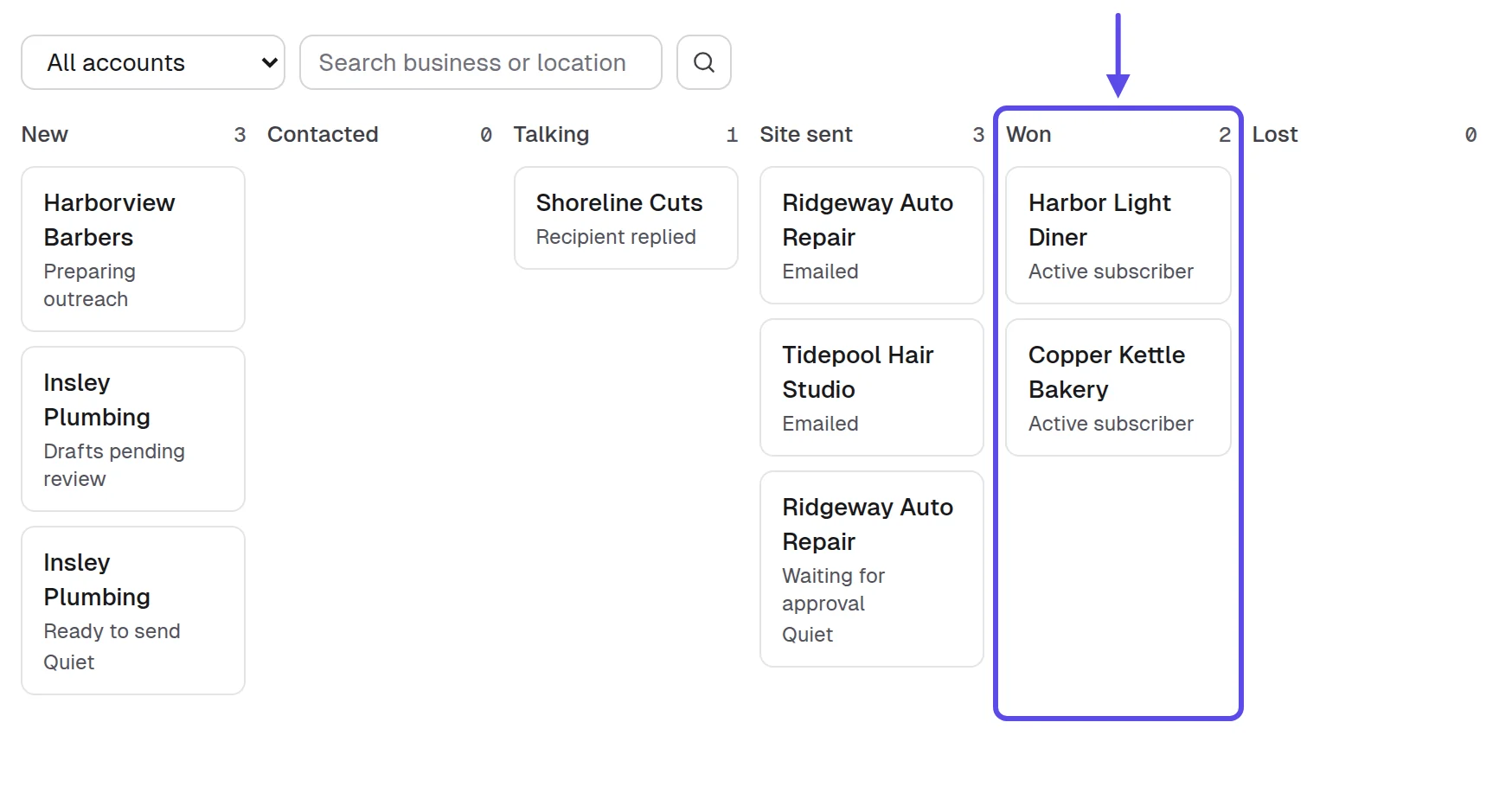
The twist: log what the owner tells you about the business, like the busy season, a staff name or the new oven. Leave out anything private about their life. Bring one of those details up next time. It shows you listened without crossing a line.
- One row for every business you contact
- The last contact date and the channel
- What they care about, in their words
- A next step with a date on it
- Sort and review the log every Monday
You'll know it worked when no follow-up date passes without a message. Before every visit, you read the row first and open with something the owner told you last time.
Tip
Write the row in the car, not at home. Details fade within the hour.
7. Where do owners already gather, and how do you join in?
Owners gather at supply yards and trade counters early in the morning, at local business association meetings, at town events and markets, and at each other's counters. You join in by showing up at those same places, at the same times, as a regular who's there for their own reasons. A lawn care owner is out mowing all day, so the supply yard at opening time is where you'll meet them, before the first job.
Join as a regular, not a pitch. Help set up the event, ask other owners about their busy season, and sit with the same people each time. Owners trust the person who keeps coming back, because coming back takes effort. For a list of places to find web design clients beyond your street, see our post.
By hand, search your zip code on the SBA's local assistance page to find the offices and resource partners near you. Ask them which local meetings owners attend. Then add every meeting to Google Calendar as a repeating event, so you never miss the next one. Showing up every time is the whole point.
At a local meeting
Hi, I'm [Your full name]. I live nearby and make websites for businesses on [street].
I'd love to know when your busy season starts, and what customers keep asking you then.
Respect any no soliciting sign on a door. At an event, ask the organizer what's welcome before you hand out cards. Rules on going business to business are set locally, so check your city's website or ask the city clerk's office before you start.
After a local meeting
Subject: Good to meet you at [meeting]
Hi [Owner name],
I'm [Your full name] from [Your business name]. It was good to hear about [what they said about their busy season] at [meeting].
I make websites for local businesses. If a website would help before [their busy season], I can build one for [Business name] to look at, with nothing to pay to look.
Reply "no thanks" and you won't hear from me again.
[Your full name], [Your business name], [your mailing address]
- One gathering you attend every time it meets
- Arrive early and offer to help
- A short introduction that names no product
- Cards with your full name and phone
- A row in your log for everyone you meet
You'll know it worked when, by the third meeting, owners greet you by name and ask what you do before you say it. One of them mentions another owner you should meet.
Tip
Sit next to someone new each time, but come back to the same meeting. Reach grows from the regulars, not the crowd.
8. How do you keep your promise after the yes?
Keep your promise like this: send an approval link while the yes is fresh, check the live website on your phone, make the first change the same day, and call after a week and after a month. The approval link opens a secure card payment page in your name. Paying is the owner's approval of the exact website they saw.
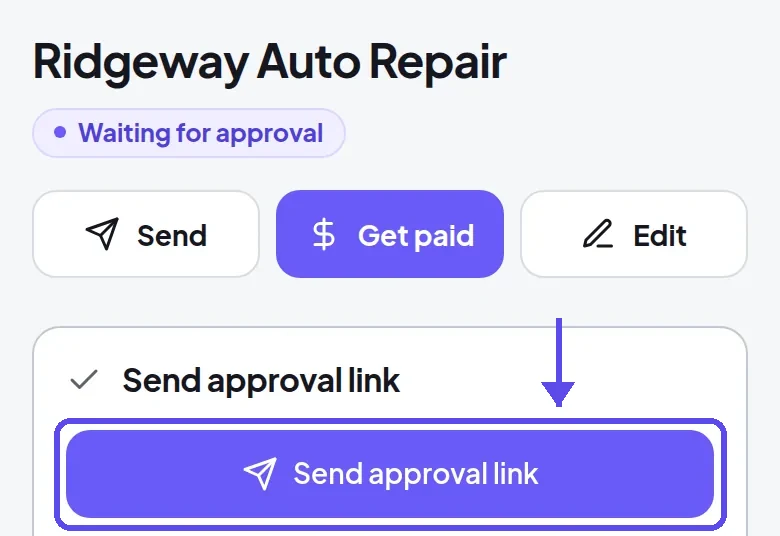
An approved website goes live at its address in a few minutes. An owner who already owns a domain connects a domain in their own login, and the domain stays theirs. A website that's never approved goes offline 30 days after it was built, so nothing lingers online with the owner's name on it.
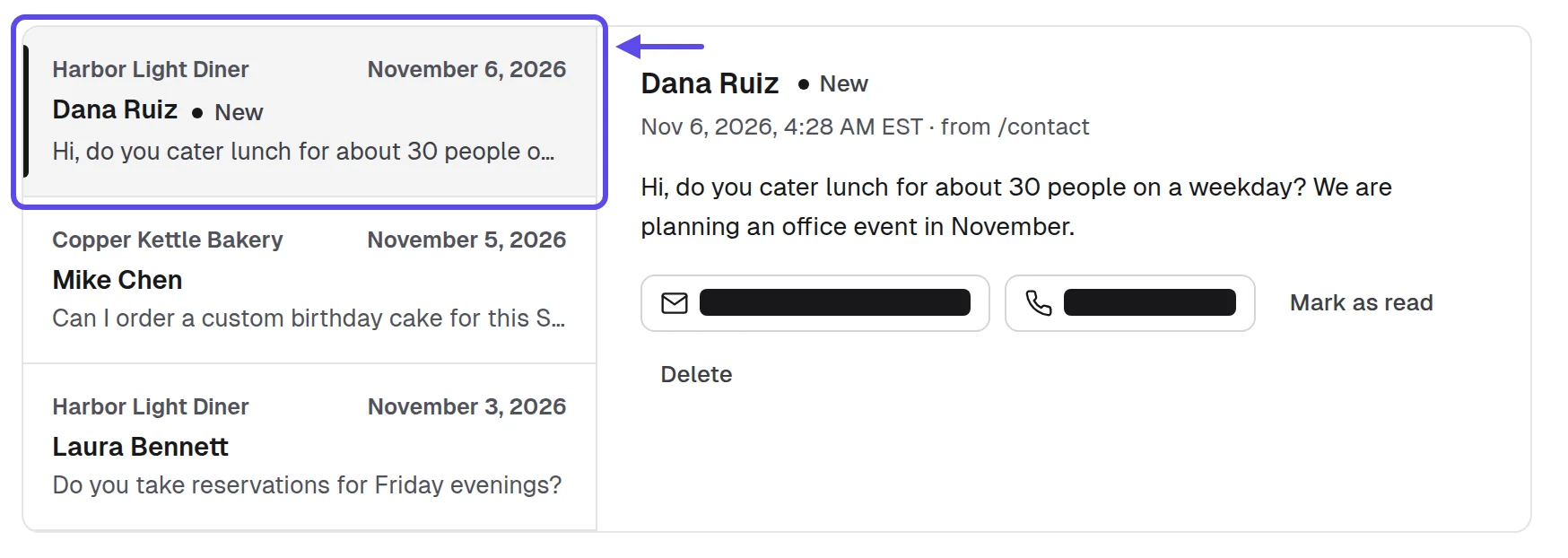
The owner's own login shows that the website is live, plus visits, calls and messages, and Ask for changes. Messages from every client website's contact form arrive in the Inbox, so you see them in one place. Each change is asked for in plain words and saved as a version you can bring back if the owner changes their mind.
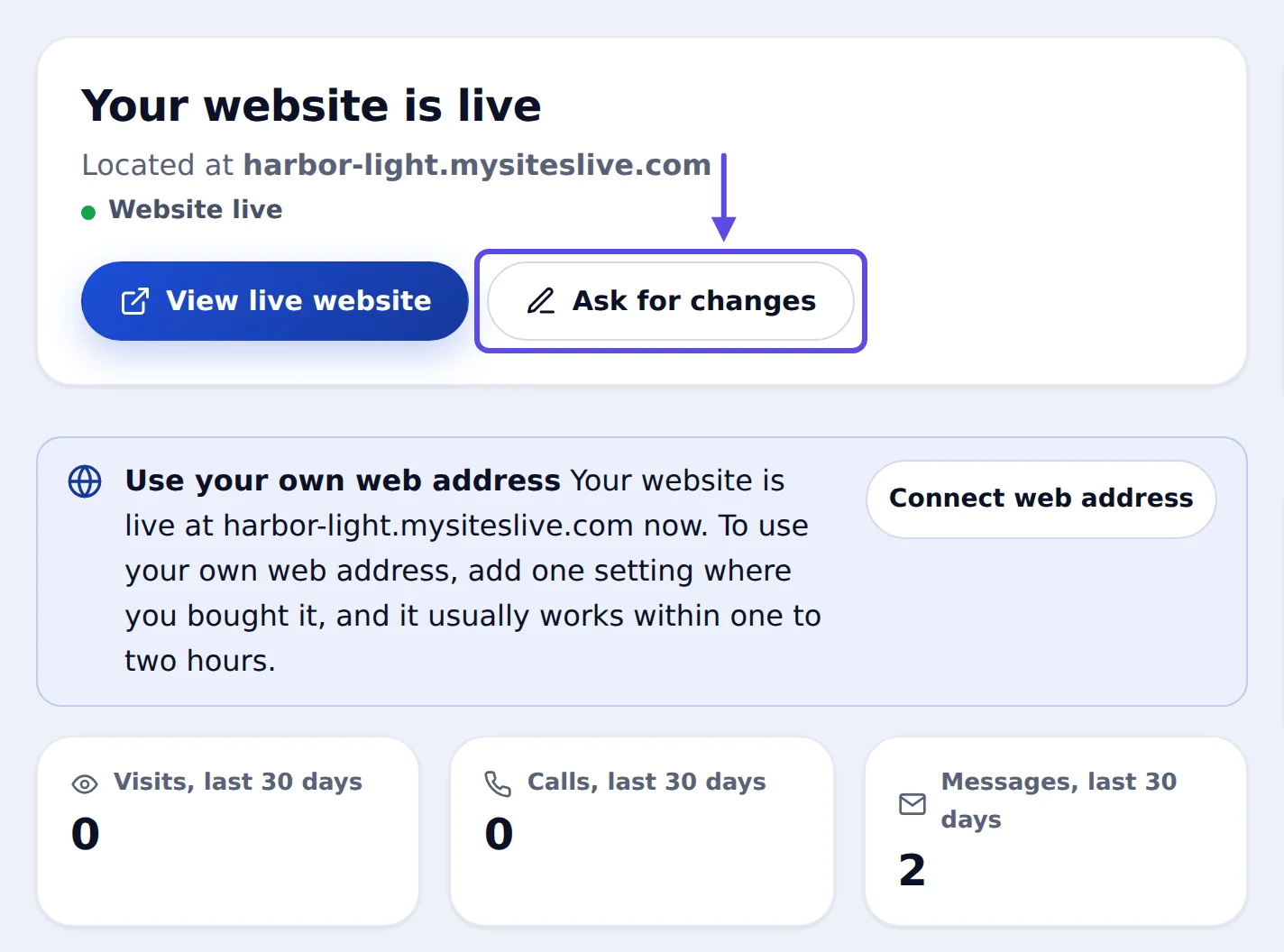
The yes is where many people stop paying attention, and it's where the relationship starts. By hand, help the owner put the new address on their Google Business Profile so the Website button points to it. If a card payment fails, reminders go out in your name and the website stays online for 14 days. For the rest, see how to hand over a website.
- Send the approval link while the yes is fresh
- Check the live address on your phone
- Make the first change the same day
- Update the listing's website address with the owner
- Call after a week and after a month
You'll know it worked when the owner asks for a second change without hesitating, mentions a customer who found them through the website, and answers when you call after a month.
Tip
Answer every change request the day it arrives. Speed after the sale is what owners tell their neighbors about.
9. How do you turn clients into introductions?
Ask a happy client who else they know, give them a ready message to forward, and send customers and introductions their way too. An introduction from the café next door does more than any email from a stranger. Timing matters. Ask only after you made the first change quickly, so the client has seen how you work.
The twist: relationships go both ways. Recommend the bakery to the diner's customers. Send the plumber a neighbor with a leak. Introduce two clients who could work together. An owner you helped first is often glad to return the favor, and you won't need to ask twice.
By hand, record a short Loom that scrolls the client's live website on a phone, so they can forward it with your introduction. In your introduction email, include a link from Calendly so the new owner can pick a ten-minute call that suits them, at their own quiet hour. Nobody has to go back and forth to find a time.
Every introduction should carry a link to your storefront, your own page with your name and logo where a business can ask you for a website. The new owner can see who you are before you meet. That way the first call starts with a familiar name, not a cold one.
Asking a client
Subject: Others on [street] who could use help
Hi [Owner name],
I'm [Your full name] from [Your business name]. I'm glad the website for [Business name] is bringing in [what the owner mentioned].
If you know an owner who needs a website, I'd be glad to build one for them to look at. A short message you can forward is below.
If you'd rather I didn't, reply "no thanks" and I won't ask again.
[Your full name], [Your business name], [your mailing address]
An introduction
Subject: [Client name] suggested I get in touch
Hi [Owner name],
I'm [Your full name] from [Your business name]. [Client name] at [Client business] said [Business name] could use help with its website.
Here's the website I made for [Client business], [Client website link]. I can build one for [Business name] for you to look at, and you can pick a short call here: [Calendly link].
Reply "no thanks" and you won't hear from me again.
[Your full name], [Your business name], [your mailing address]
- Ask only clients who say they're happy
- Give them a ready message to forward
- Name the referrer in your first line
- Thank the client, whatever the outcome
- Send your clients customers when you can
You'll know it worked when a new owner opens the conversation with the client's name, and your clients start mentioning you to other owners without being asked. That's the top rung of the ladder.
Tip
Tell the client what happened after their introduction. People introduce again when they hear it mattered.
What do you do when an owner says no or moves on?
If an owner says no, thank them, ask whether a check-in after their busy season is welcome, log the date, and stay a customer. If they're moving or leaving, help them update their details or hand over what's theirs, as the next two paragraphs show. In person, try: "Thanks for hearing me out. I'd like to check in once after your busy season, if that's okay." A no this season is often a not now. Owners remember who took a no well and who kept pushing.
Sometimes an owner is packing up to move to new premises or hand the business on. Before the move, offer to update the address and hours on the website and the listing. Ask for the change in plain words in the app, then open Edit profile in their Google Business Profile and make the same change there. If they're closing, ask in the app, in the same plain words, for the site to come down, then open Edit profile again and mark the business closed there. If they're leaving you, hand over what's theirs and wish them well.

If a client cancels, the business owns its domain and its content: its words, photos, logo, hours and prices. Copy the words into a plain document, save the photos and logo as image files, and put it all in one shared folder with a short note. Tell them to remove or repoint the domain's record at their domain provider. Your follow-ups stop. Keep their row in your log, because owners who leave well still introduce people.
- Thank the owner and ask for nothing more on the same day
- Log the reason in the owner's own words, not your guess
- Ask whether one check-in after their busy season would be welcome
- Keep buying from them if you were a customer before
After the busy season
Subject: Checking in after the season, [Business name]
Hi [Owner name],
I'm [Your full name] from [Your business name]. You said to check in after [their busy season], so here I am.
The website for [Business name] is still ready to look at if it helps before next season, [Website link]. Or I can build a fresh one from your current details.
Reply "no thanks" and this is the last message.
[Your full name], [Your business name], [your mailing address]
What signs tell you an owner relationship is growing?
It's working when owners greet you by name, answer your follow-ups, let you show them a website, approve it and introduce you. Count these in the Pipeline or your sheet. They're things to count, not targets. Each sign below says what to change when it's weak.
- Owners greet you by name. If they don't, visit the same street at the same hour more often.
- Owners reply to your follow-up. If few do, name something they said and use the channel they chose.
- Owners let you show the website. If they decline, give the smaller thing first: the listing fix.
- Owners approve after a showing. If few do, show it on their phone and start with what customers can't do today.
- Clients introduce you. If none do, send the ready message and introduce them to someone first.
- Clients ask for changes. If they stop, check in with one idea before their busy season.
Read the log every Monday and change one thing at a time: the hour you visit, the channel, or the first useful thing you give. If nothing moves after a few weeks on one street, try a second street, not a louder message.
Frequently asked questions
How do I build relationships with local businesses if I'm new in town?
Become a customer of the businesses on one street and go back at the same hour every week. Then join one local gathering and attend every time it meets. Once owners know your face, give them something useful, like a fix for a wrong listing detail, before you mention a website.
Where can I get in touch with local business owners?
Meet them at their counter at a quiet hour, call mid-morning, go to local business association meetings and town events, or get a client's introduction. Email and text work best after you've met or spoken once. A message from someone the owner has already seen gets read. A message from a stranger often gets deleted.
How long does it take to build a relationship with a business owner?
There's no set time: it takes several small contacts spread out, not one meeting. An owner who already knows you as a customer gets there sooner. Visit, help with something small, and follow up when you said you would. Count the contacts in your log, and you'll know you're there when the owner uses your name before you say it.
Should I mention websites on the first visit?
Only if the owner asks what you do. Then answer in one sentence and move on. The first visit is for becoming a familiar face and learning what customers ask the owner. The website comes later, once you've given something useful, like a fix for a wrong listing detail.
Is it legal to email local businesses after meeting them?
Yes, in the US it's legal if you follow the email rules. The FTC's compliance guide to the CAN-SPAM Act says a commercial email must include your valid physical postal address and a clear way to opt out, and opt-out requests must be honored within 10 business days. Other countries have their own rules. Text only a number the owner gave you, and end with Reply STOP to opt out. 2
What can I give a business owner before asking for anything?
Give a corrected listing detail, an honest look at what customers see on a phone, or a finished website built from the business's own details. Start with the smallest one. It shows you understand their business, and it asks nothing of the owner in return. The website lands better once you've already helped.
What if an owner already has someone who looks after their website?
Stay a good customer and neighbor, and leave the website to the person who looks after it. Log the owner and keep in touch. Owners who like you often still mention you to other owners. Nobody wins trust by criticizing someone else's work, so don't point out flaws in theirs.
Sources
- US Census Bureau, “Census Bureau Statistics Shed Light on Self-Employment by Sector and State During Small Business Week” (May 6, 2025), on the 2022 Nonemployer Statistics and County Business Patterns
- Federal Trade Commission, CAN-SPAM Act: A Compliance Guide for Business
- US Small Business Administration, “Apply for licenses and permits” (business guide)
- Ironstone, Lead finder’s searches and results for partners (our own accounts left out), October 8 to November 17, 2026, from our own records read November 20, 2026
- US Census Bureau, “Census Bureau Releases New Data About Characteristics of Employer and Nonemployer Business Owners” (press release, November 20, 2025), on the 2024 Annual Business Survey
- US Bureau of Labor Statistics, Business Employment Dynamics, “Table 7. Survival of private sector establishments by opening year”
- Fortune, “When it comes to building trust with consumers, brands need to put customer satisfaction first” (Eamon Barrett, May 5, 2023), on Nielsen’s 2021 survey
- Clutch, “The State of Small Business Websites in 2025” (a survey of 406 US small business owners, August 5, 2025)
- Pew Research Center, “Most Americans don’t answer cellphone calls from unknown numbers” (December 14, 2020; a survey of 10,211 US adults, July 13 to 19, 2020)